How Different Lighting Colors Influence Your Emotions and Focus
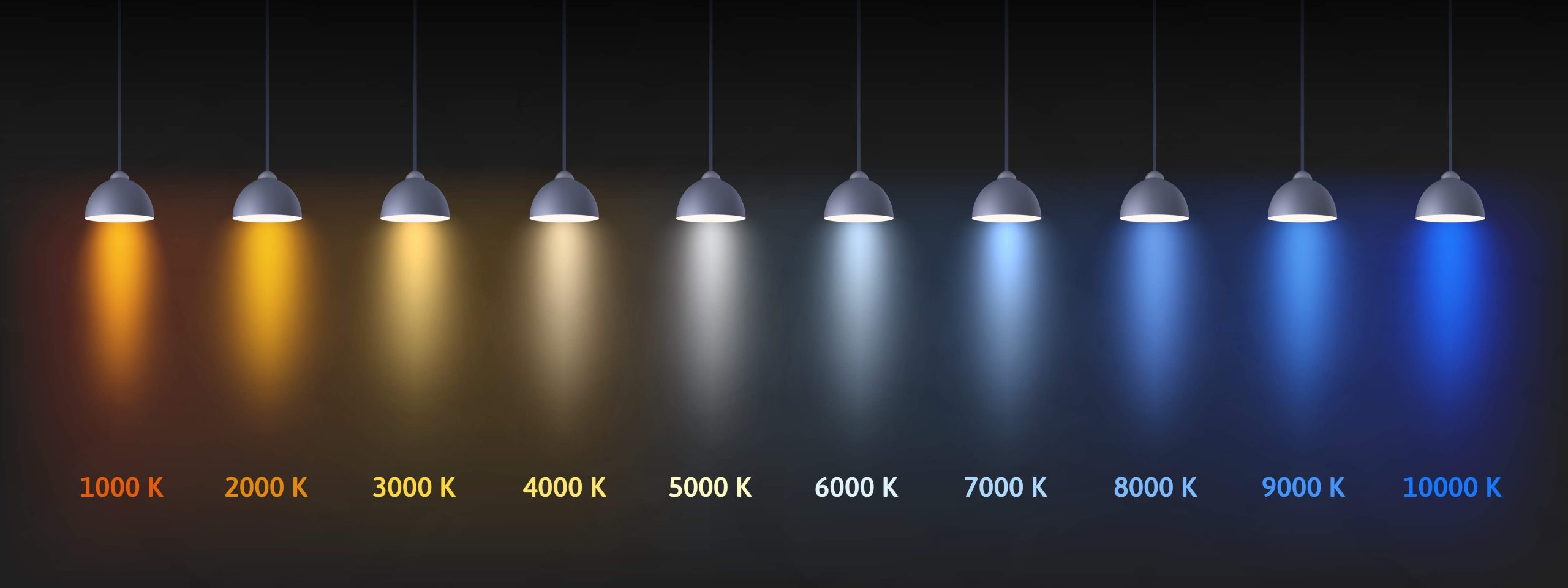
The color of lighting in our environment can significantly influence our emotions and focus. Research shows that different colors provoke distinct psychological responses. For instance, warm colors such as yellow and orange create a cozy and inviting atmosphere, promoting feelings of happiness and optimism. In contrast, cool colors like blue and green are known for their calming effects, often enhancing concentration and reducing feelings of anxiety. Understanding these effects can help individuals tailor their lighting choices to either invigorate their mood or foster improved productivity.
Moreover, the intensity and saturation of lighting colors can further amplify their impact on our emotions. Bright, vibrant colors can energize and stimulate activity, while softer, muted tones create a sense of tranquility. For example, soft white light is ideal for relaxation spaces, whereas bright daylight is effective in work settings to enhance focus and alertness. By strategically using lighting colors—in both personal and professional environments—individuals can effectively manage their mood and improve their overall well-being.
Enhancing your video conferencing experience can be as simple as investing in the right gear. From high-quality microphones to adjustable lighting solutions, the Top 10 Webcam Accessories can significantly improve your video quality and comfort during calls. Whether you're a casual user or a professional streamer, there's something in this list for everyone.
5 Ways to Optimize Your Workspace Lighting for Maximum Productivity
Optimizing your workspace lighting can significantly enhance your productivity and overall well-being. Here are 5 ways to optimize your workspace lighting for maximum focus and efficiency:
- Utilize Natural Light: Whenever possible, position your desk near a window to take advantage of natural light. Studies show that exposure to daylight can boost mood and energy levels, making it an excellent choice for workspace lighting.
- Choose the Right Bulbs: Select bulbs that emit a bright white light, preferably between 4000K to 5000K, to mimic natural sunlight. This can help reduce eye strain and create a more invigorating atmosphere.
Furthermore, consider the following adjustments to your lighting setup:
- Incorporate Task Lighting: For detailed work, use desk lamps or adjustable lights that focus on specific areas. This targeted workspace lighting can help you see better and stay engaged with your tasks.
- Control Glare: Position screens to avoid reflections and use shades to diffuse harsh light. This small adjustment can prevent distractions and enhance your concentration.
- Adjust Brightness: Use dimmer switches to modify the intensity of your lights based on the time of day or the task at hand. Properly regulated lighting can significantly contribute to maintaining your energy levels throughout the day.
Can Lighting Design Transform Your Mood and Work Performance?
Lighting design plays a pivotal role in shaping our environment, influencing not just the aesthetics of a space but also our mood and productivity. Research has shown that different types of lighting can evoke specific emotional responses; for example, soft, warm lights tend to create a calming effect, ideal for relaxation and unwinding, while bright, cool lights are often associated with energy and alertness. By strategically implementing lighting solutions that align with the intended use of a space - whether it be an office, a home, or a creative studio - individuals can significantly enhance their work performance and overall well-being.
Moreover, the science of lighting delves into the effects of natural versus artificial light on our circadian rhythms, which dictate our sleep-wake cycles. Incorporating elements such as daylight harvesting and using adjustable LED lighting can help synchronize our body clocks, thereby optimizing alertness during work hours. In an era where remote work and home offices have become commonplace, embracing thoughtful lighting design can be a game-changer for productivity. Consider investing in dimmable fixtures or smart lighting systems that allow you to adjust the brightness based on the time of day or the tasks at hand, ultimately fostering a workspace that is not only functional but also enhances your mood and efficiency.