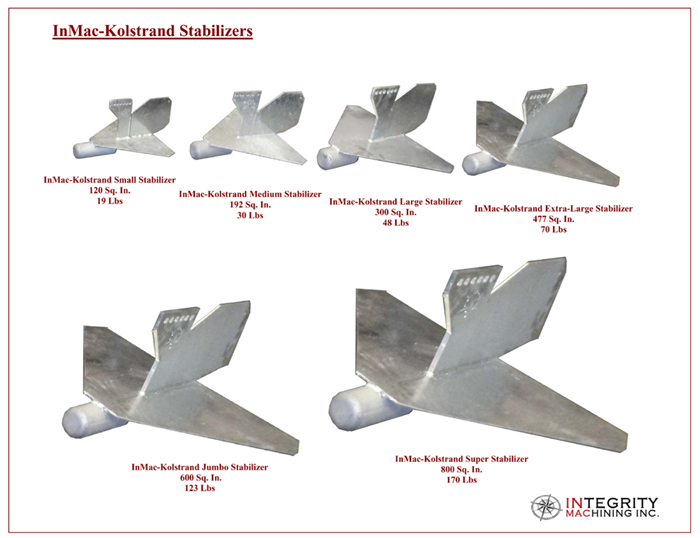
Exploring the Vital Role of Stabilizers in Structural Integrity
Stabilizers play a vital role in ensuring the structural integrity of various constructions, ranging from residential buildings to large-scale infrastructure projects. These components work by enhancing the strength and stability of materials, allowing structures to withstand external forces such as wind, earthquakes, and other potential hazards. Without effective stabilizers, the risk of structural failure increases significantly, leading to safety concerns and financial setbacks.
There are several types of stabilizers employed in construction, including chemical stabilizers, mechanical stabilizers, and geosynthetics. Each of these plays a unique role in reinforcing different aspects of structural integrity. For instance, chemical stabilizers improve soil stability by reducing its plasticity, while mechanical stabilizers ensure that building components can bear loads effectively. Understanding how to implement these stabilizers correctly is crucial for engineers and architects to maintain safety standards and enhance the longevity of structures.
Counter-Strike is a popular first-person shooter game that pits teams of terrorists against counter-terrorists in various objective-based scenarios. Players must work together, strategize, and use their skills to outmaneuver and eliminate the opposing team. For players who love capturing their gameplay moments, incorporating some Top 10 iphone accessories for photography can enhance their gaming experience significantly.
How Do Stabilizers Enhance Performance in Modern Engineering?
Stabilizers play a pivotal role in enhancing performance across various domains of modern engineering. By minimizing fluctuations and providing consistency, these integrated systems ensure that machinery and structures operate at peak efficiency. For instance, in aerospace engineering, stabilizers such as tail fins and winglets effectively improve aerodynamics, which contributes to better fuel efficiency and stability in flight. Similarly, in civil engineering, stabilizers in the form of soil and ground reinforcements ensure that constructions can withstand environmental stresses, leading to safer and more durable infrastructures.
In the field of mechanical engineering, the inclusion of stabilizers in robotic systems and automated machinery enhances precision and reliability. When machines are fitted with advanced stabilizers, their ability to maintain operational steadiness increases, allowing for meticulous tasks to be performed without deviations. Moreover, as industrial applications evolve to utilize sophisticated technologies like AI and IoT, the demand for stabilizers that can adaptively manage performance fluctuations becomes critical. This ongoing innovation in stabilizers not only boosts operational efficiency but also mitigates risks associated with performance variability.
Why Are Stabilizers Often Overlooked in Engineering Discussions?
In the realm of engineering, stabilizers often fail to receive the attention they deserve, overshadowed by more glamorous technologies. One reason for this neglect is the complex nature of modern engineering discussions, which frequently focus on cutting-edge innovations, such as AI and automation, while sidelining foundational components. Despite their understated role, stabilizers are essential for maintaining system equilibrium and safety, ensuring that structures and devices can withstand variable conditions without failure.
Furthermore, the lack of awareness about the impact that stabilizers have on overall performance can lead to their undervaluation. For instance, while discussing engineering designs, professionals may prioritize aesthetics or high-tech features over stability and reliability. This oversight can result in increased project risks, unexpected failures, and, ultimately, higher costs. Understanding the significance of stabilizers is crucial for engineers to develop more resilient systems and improve long-term sustainability in their projects.