Top 10 Pro Settings to Elevate Your CS2 Gameplay
When it comes to improving your gameplay in CS2, utilizing the right settings can make all the difference. Here are the Top 10 Pro Settings that professional players swear by to achieve peak performance:
- Mouse Sensitivity: Adjust your mouse sensitivity to find the sweet spot that allows for precise aiming without sacrificing speed.
- Crosshair Customization: Create a crosshair that stands out and feels comfortable, often a solid dot or a small gap is preferred by pros.
- Resolution: Experiment with different resolutions for better visibility; many professionals prefer lower resolutions for increased frame rates.
- Field of View (FOV): While CS2 has a set FOV, adjusting your gameplay distance can impact your awareness and reaction times.
- Audio Settings: Fine-tune your audio settings to hear enemy footsteps clearly; consider using headphones for a competitive edge.
Beyond basic settings, here are five more Pro Settings to elevate your game:
- Graphics Settings: Lower graphics settings can lead to higher frame rates and smoother gameplay.
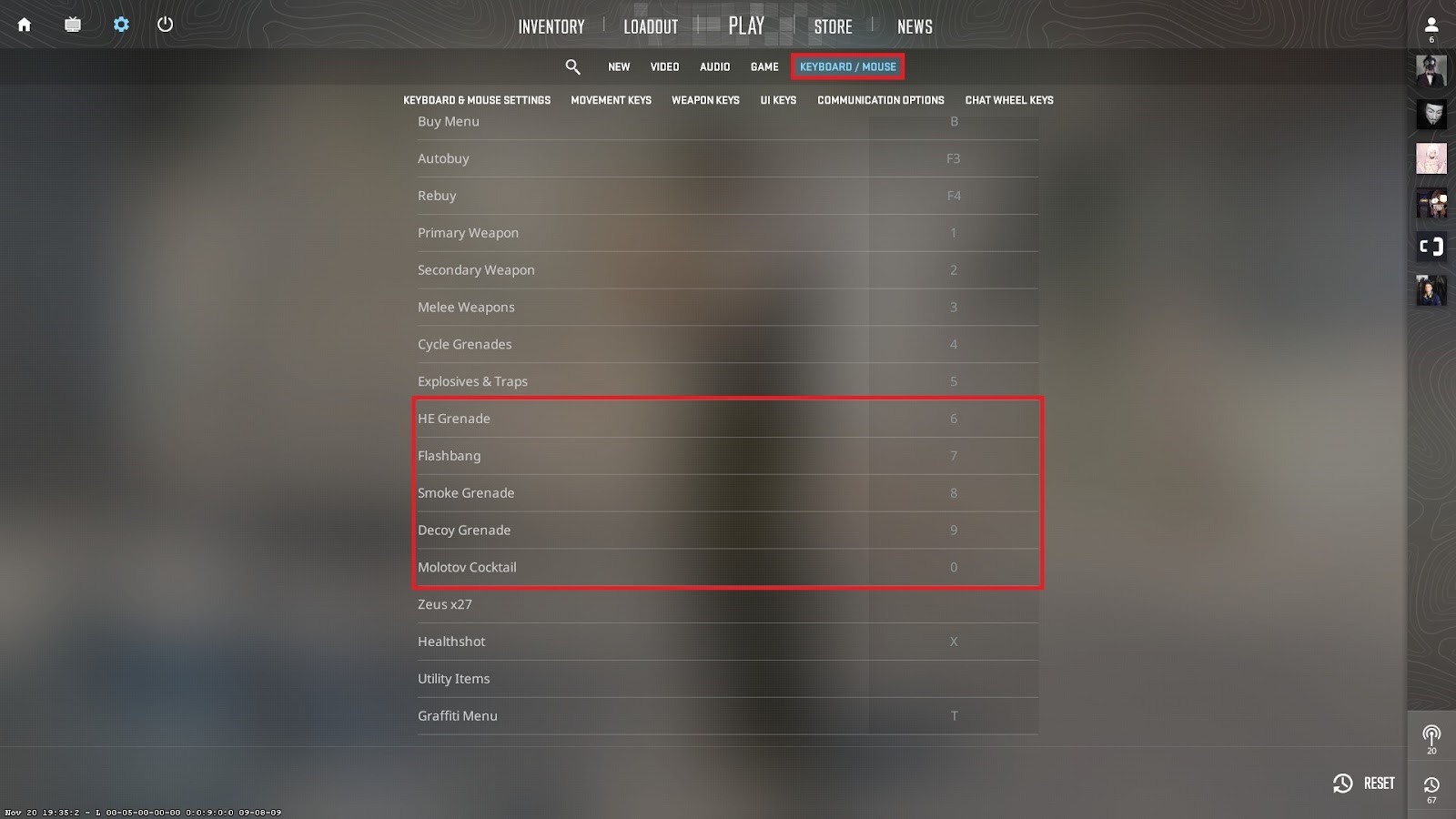
- Key Bindings: Customize your key bindings for quick access to essential actions, reducing reaction time.
- Polling Rate: Set your mouse polling rate to 1000Hz to ensure quicker response to your movements.
- Custom Configs: Utilize custom configuration files for personalized settings that align with your playstyle.
- Warm-ups: Always take time to warm up before diving into serious matches; this primes your reflexes and awareness.
Counter-Strike has long been a cornerstone of competitive gaming, captivating players with its strategic gameplay and team-based tactics. As players seek to improve their skills, cs2 rank reset is a crucial factor influencing their journey in matchmaking. The game continues to evolve, introducing new maps and mechanics to keep the experience fresh.
How to Optimize Your CS2 Settings for Maximum Performance
When it comes to enhancing your gameplay in Counter-Strike 2 (CS2), optimizing your settings is essential for achieving maximum performance. Start by adjusting your graphics settings. Navigate to the 'Video' section in the options menu and set your resolution to match your monitor's native resolution for the best visual clarity. From there, adjust the graphics quality to a lower level—like 'Low' or 'Medium'—to help increase your FPS (frames per second). Disabling options such as V-Sync and Motion Blur can also contribute significantly to a smoother gaming experience.
In addition to graphics settings, tweaking your in-game settings can provide a competitive edge. Consider changing your crosshair to a simple style that enhances visibility without distracting you. It's also beneficial to bind your important actions to accessible keys, ensuring quick reactions in intense moments. Regularly test different sensitivity levels to find the perfect balance that allows for precise aiming while maintaining comfort during play. Don’t forget to optimize your audio settings, as enhanced sound can improve your situational awareness, giving you that vital advantage during gameplay.
What Are the Best Keybinds for Competitive CS2 Players?
When it comes to competitive CS2, having the right keybinds can be the difference between victory and defeat. Players often customize their keybinds to optimize their gameplay experience, ensuring quick access to essential functions. A common setup includes binding movement keys to Q, A, S, and D, which allows for more fluid character movement. Additionally, many players prefer to bind abilities and equipment to keys that are easy to reach, like using the number keys for weapons and the mouse buttons for grenades, making quick decisions in high-pressure situations.
Furthermore, it's important to consider team communication in your keybind setup. Effective use of in-game voice and text chats can greatly enhance team coordination. Many competitive players bind specific keys for quick chat commands, such as setting up a binds for "Need Backup!" or for "Way to go!". These small adjustments not only streamline communication but also ensure that players can relay crucial information without losing focus on the game, ultimately contributing to better overall team performance.