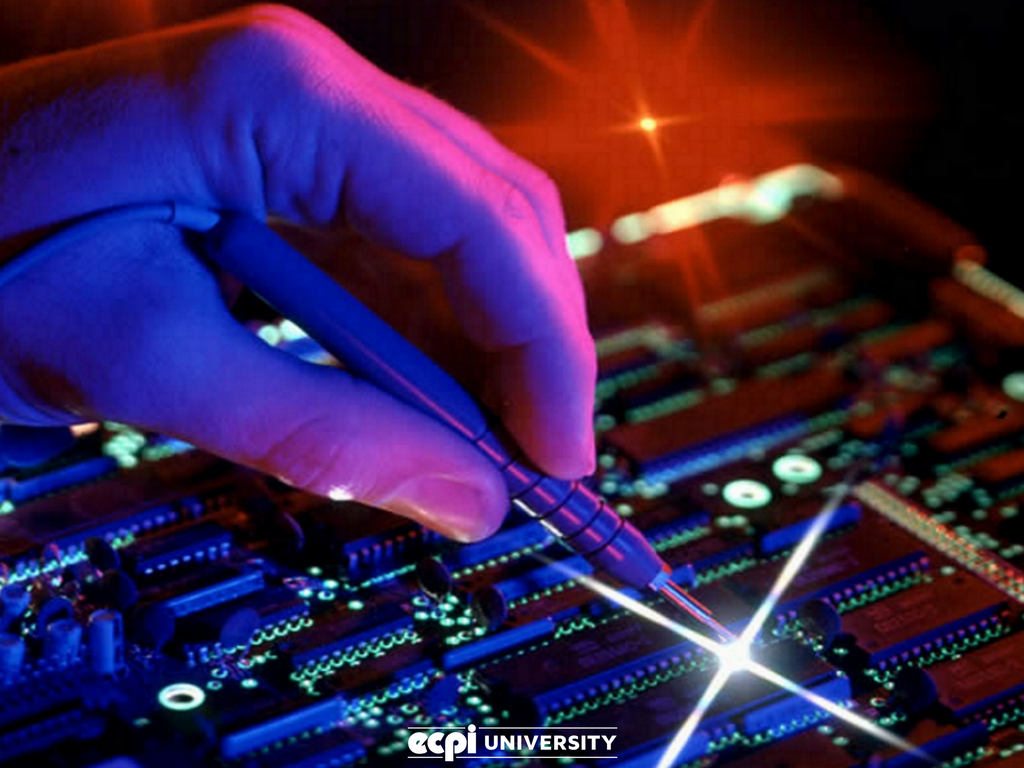
10 Groundbreaking Gadgets That Changed the Tech Landscape Forever
The tech landscape has been dramatically transformed by various groundbreaking gadgets that not only shaped industries but also altered how we interact with the world. From the smartphone to the laptop computer, each innovation has played a crucial role in enhancing our connectivity and productivity. For instance, the introduction of the smartphone revolutionized communications by putting a powerful computer in the palm of our hands, allowing us to access information, connect with friends, and work on-the-go, all in one device. It's hard to imagine life without these gadgets, which have become integral to our everyday experiences.
Another pivotal innovation is the internet router, which paved the way for wireless internet access in homes and businesses. This gadget made it easier for people to connect multiple devices to the internet without cumbersome wires, facilitating the rise of smart homes and wireless technologies. Moreover, the tablet showcased the shift towards touch interfaces, being a perfect blend of functionality and portability. These groundbreaking gadgets have not only changed how we consume information and communicate but have also laid the groundwork for future technological advancements.
Counter-Strike is a popular tactical first-person shooter that has captivated millions of players around the world. It focuses on team-based gameplay where players can choose to be part of either a terrorist or counter-terrorist team. For gamers looking to enhance their experience, exploring Top 10 usb c accessories can provide valuable tools and gadgets that improve gaming performance and convenience.
How the Invention of the Transistor Revolutionized Modern Electronics
The invention of the transistor in 1947 marked a pivotal moment in the evolution of modern electronics. Prior to its development, vacuum tubes were the primary component for amplifying electrical signals, but they were bulky, fragile, and inefficient. The transistor, being much smaller and more reliable, revolutionized the way electrical signals were manipulated and paved the way for the design of more compact and efficient electronic devices. As a result, the transition from vacuum tube technology to transistor-based systems allowed for significant advancements in various fields, including telecommunications, computing, and consumer electronics.
Furthermore, the impact of the transistor extends beyond just size and efficiency. It introduced the concept of integrated circuits, which are now foundational to modern computing. This miniaturization of electronic components has led to the creation of powerful devices, from smartphones to laptops, all of which have transistors at their core. As a defining element of the digital age, the contribution of the transistor cannot be overstated; it has not only transformed electronics but has also changed how we live, work, and communicate in today's fast-paced world.
What Were the Most Unexpected Electronics Innovations of the Past Decade?
The past decade has witnessed a surge in unexpected electronics innovations that have reshaped our daily lives. One of the most surprising developments has been the rise of smart home technology, particularly with devices like smart speakers and home assistants. These gadgets not only streamline daily tasks with voice commands but also integrate seamlessly with various home systems. Moreover, the introduction of smart appliances, such as refrigerators that can create shopping lists or ovens that can be controlled from a smartphone, has revolutionized kitchen management.
Another remarkable innovation is the advancement of wearable technology, particularly in the form of smartwatches and health monitoring devices. These gadgets offer more than just timekeeping; they provide real-time health tracking and connectivity features that were once thought to be in the realm of science fiction. The ability to monitor heart rates, sleep patterns, and physical activity levels right from the wrist has shifted the focus towards health and fitness in a very personal way. These unexpected innovations indicate a promising direction for future electronics, merging convenience with significant lifestyle enhancements.