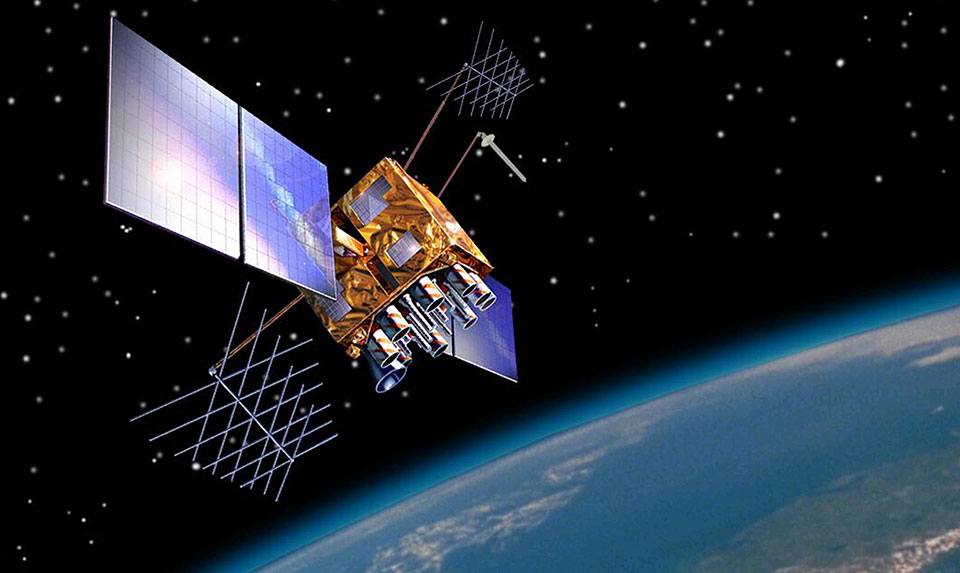
The Evolution of GPS: From Military Precision to Everyday Navigation
The evolution of GPS has transformed dramatically since its inception in the early 1970s. Originally developed for military applications, GPS (Global Positioning System) was designed to provide accurate location data and support military operations with unparalleled precision. The technology relied on a network of satellites orbiting the Earth, enabling it to triangulate positions with great accuracy. In 1983, following a tragic incident involving a civilian aircraft, the U.S. government made GPS available for public use, marking a significant shift and laying the groundwork for what would become an integral part of everyday life.
As GPS technology advanced, it found applications far beyond military operations. Today, it underpins a myriad of services that enhance our daily lives, from navigation apps and logistics management to outdoor activities like hiking and geocaching. The proliferation of smartphones equipped with GPS capabilities has made location-based services accessible to anyone with a device. Furthermore, innovations such as real-time tracking and integration with IoT devices have expanded the utility of GPS, showcasing how this once-exclusive technology has evolved into a vital tool for millions around the globe.
Counter-Strike is a popular multiplayer first-person shooter that has been captivating gamers since its release. It emphasizes teamwork and strategy, with players divided into terrorist and counter-terrorist teams working to complete objectives or eliminate each other. For those looking to explore various interests, check out the Top 10 Bike GPS Trackers which showcase the best technology for tracking your cycling adventures.
How GPS Technology is Shaping the Future of Exploration
GPS technology has revolutionized the way we explore our world, offering unprecedented levels of accuracy and convenience. No longer confined to paper maps and compass readings, modern explorers rely on Global Positioning Systems to pinpoint their locations with remarkable precision. This advancement not only enhances navigation but also enables a deeper understanding of geographical spaces, allowing researchers and adventurers alike to document and share their findings more effectively. From remote wilderness trails to urban landscapes, the integration of GPS technology is paving the way for innovative exploration techniques that were once unimaginable.
As we look to the future, the impact of GPS technology on exploration is likely to expand even further. Emerging applications include
- Augmented reality experiences that overlay digital information onto the physical world, enriching our understanding of historical sites and natural wonders.
- Autonomous vehicles that use GPS for navigation in difficult terrains, making it easier to explore previously inaccessible areas.
Can GPS Replace Traditional Navigation Methods?
In today's fast-paced world, the advent of GPS technology has drastically changed the way we navigate our surroundings. Traditional navigation methods, such as maps and compasses, have provided guidance for centuries, but they often require users to have a strong sense of direction and understanding of their environment. With GPS, navigation becomes much more straightforward, as it allows users to receive real-time directions that dynamically adjust based on their location. This ease of use has led many to wonder, can GPS replace traditional navigation methods entirely?
While GPS offers significant advantages, such as convenience and accuracy, it's important to recognize its limitations. Traditional navigation methods can be more reliable in areas with poor satellite coverage, such as dense urban environments or remote wilderness. Furthermore, reliance on technology can lead to situations where users may become disoriented if their device malfunctions or runs out of battery. Therefore, rather than viewing GPS as a complete replacement for traditional methods, it may be more beneficial to think of it as a powerful complement, enhancing our navigation skills while still acknowledging the value of traditional techniques.