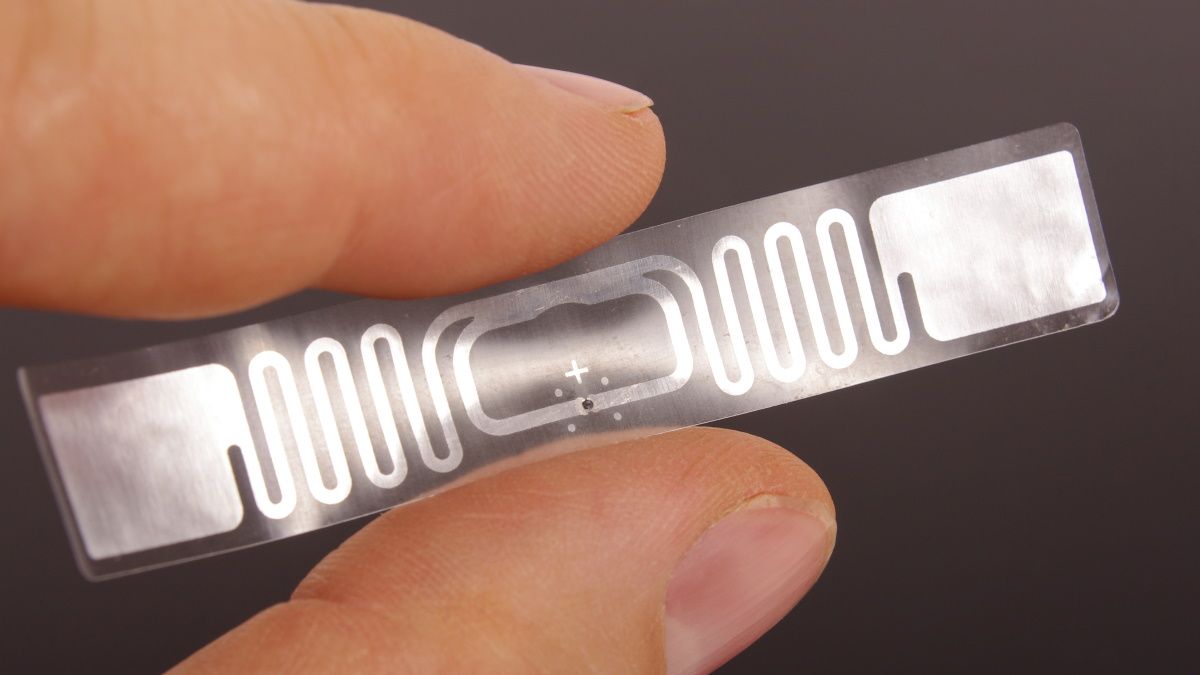
How RFID is Revolutionizing Supply Chain Management
In recent years, RFID (radio-frequency identification) technology has emerged as a groundbreaking solution that is revolutionizing Supply Chain Management. By enabling real-time tracking of goods and assets, RFID enhances visibility throughout the supply chain. Unlike traditional barcode systems, RFID tags can be scanned from a distance and do not require line-of-sight, significantly improving efficiency. Businesses can now automate inventory management, reduce errors, and drastically minimize the time spent on manual checking, leading to streamlined operations and cost benefits.
The impact of RFID on Supply Chain Management is evident in various sectors, including retail, manufacturing, and logistics. For instance, companies utilizing RFID can achieve higher accuracy in stock levels, minimizes shrinkage, and ensure timely replenishment of goods. According to a recent study, organizations that adopt RFID technology experience a 15-30% decrease in inventory costs, which underlines the value RFID brings to businesses striving for operational excellence. As adoption rates increase, it is clear that RFID is not just a trend, but a vital component of modern supply chains.
Counter-Strike is a popular tactical first-person shooter video game series that has captivated millions of players around the world. The game typically features teams of terrorists versus counter-terrorists, engaging in various objective-based missions. For players looking to enhance their gaming experience, they might also be interested in the Top 10 RFID Blocking MagSafe Wallets which provide utility and style.
The Hidden Benefits of RFID Technology in Retail
The incorporation of RFID technology in retail is not just a trend; it's a transformative tool that offers numerous hidden benefits. For starters, RFID systems enhance inventory accuracy, which reduces the chances of overstocking or understocking items. According to recent studies, retailers that implemented RFID saw inventory accuracy levels soar to over 98%. This drastic improvement allows retailers to respond more quickly to customer demand, thereby enhancing the overall shopping experience.
Moreover, RFID technology streamlines the supply chain processes by providing real-time data on product movement. This capability enables retailers to track items from warehouse to shelf effortlessly, ultimately leading to reduced labor costs and improved operational efficiency. Additionally, through advanced analytics, retailers can gain insightful data on consumer behavior, allowing for better-targeted marketing strategies and personalized shopping experiences that resonate with customers.
What Everyday Items Are Being Tracked with RFID?
Radio Frequency Identification (RFID) technology has revolutionized the way we track and manage everyday items, making processes more efficient and accurate. Common household items such as keys, wallets, and even your pet's collar can now be enhanced with RFID tags. These small chips allow for real-time tracking, enabling users to locate lost items quickly. Additionally, retail stores utilize RFID to manage inventory levels effectively, as items such as clothing and electronics often come equipped with RFID tags for easy scanning.
Beyond personal belongings, RFID technology is also embedded in numerous grocery store items, including packaged foods and beverages. This integration allows for improved supply chain management and reduced waste, as retailers can monitor stock levels and expiration dates more accurately. Furthermore, everyday items like library books and fitness trackers benefit from RFID tracking systems, enhancing user experience through easy check-out processes and activity monitoring. As RFID technology continues to evolve, its presence in our daily lives will likely expand even further.