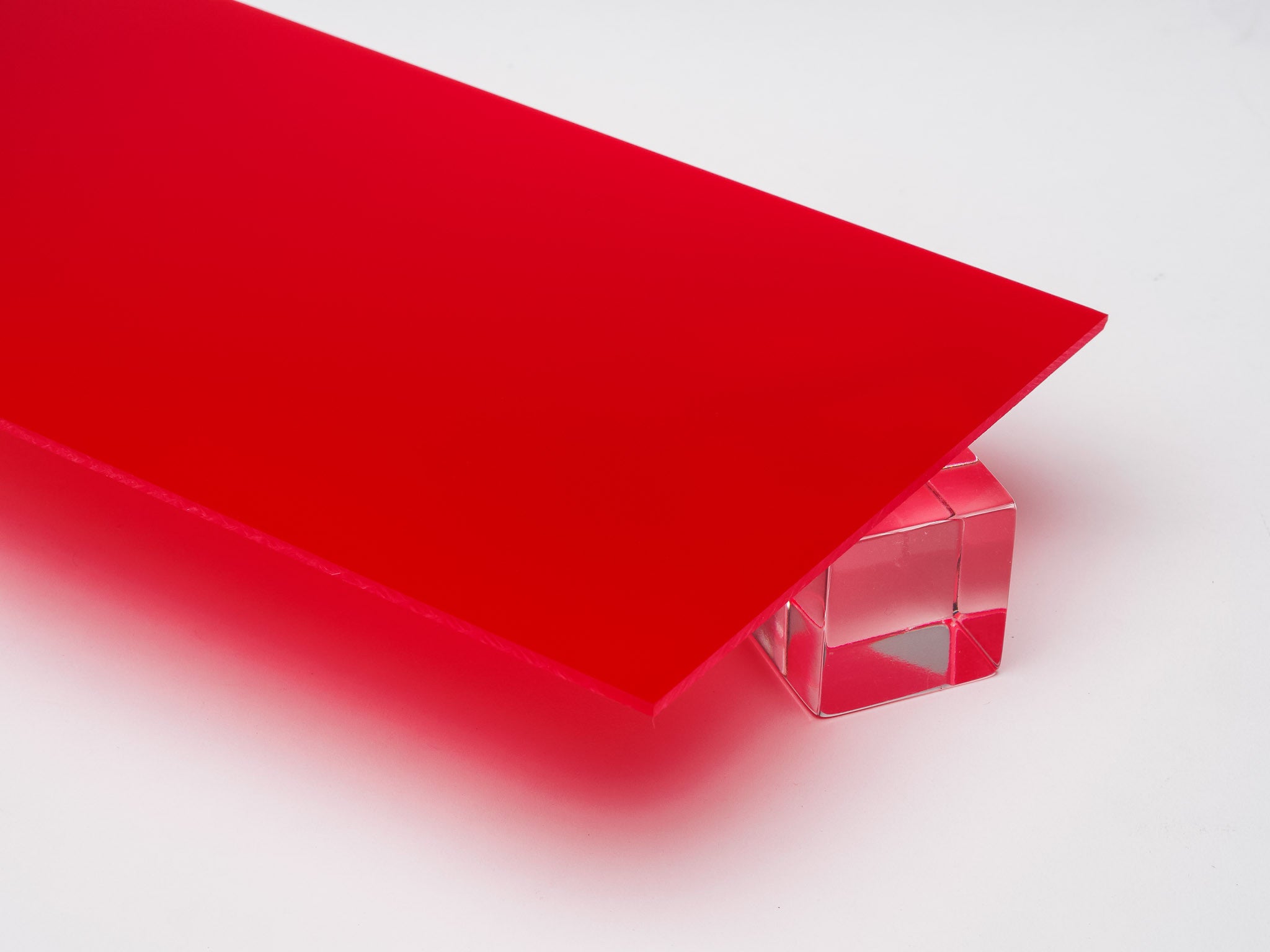
The Art of Observation: Discovering Beauty in Everyday Transparency
The art of observation invites us to slow down and truly see the world around us. In today's fast-paced environment, we often overlook the beauty in the mundane. By honing our observational skills, we can discover stunning details in everyday life—from the delicate patterns on a butterfly's wings to the interplay of light and shadow in a simple room. Engaging with our surroundings invites a sense of mindfulness that enhances our appreciation for life's small moments. Whether it’s the rhythmic sway of tree branches or the laughter of children playing, every detail has a story waiting to be told.
To cultivate this skill, start practicing through daily rituals that promote focus and attention. For instance, journaling your observations can serve as a powerful tool to deepen your connection with your environment. Try to dedicate a few minutes each day to jot down what you notice—colors, sounds, and textures. You might create a list, such as:
- The way sunlight filters through the leaves.
- The scent of rain-soaked earth.
- The warmth of a friendly smile.
Counter-Strike is a popular multiplayer first-person shooter (FPS) game that has captivated gamers since its inception. Players engage in team-based combat where they can choose to play as terrorists or counter-terrorists, aiming to complete objectives or eliminate the opposing team. For those looking to protect their gaming devices, check out the Top 10 iPhone air cases to find the best options available.
From Glass to Water: Exploring the Science Behind Translucent Objects
Translucent objects, such as glass, play a vital role in our daily lives, often going unnoticed. These materials allow light to pass through while scattering it, which results in a unique visual effect. The science behind translucency lies in the arrangement of atoms in the material and how they interact with light. When light waves hit a translucent surface, some waves are absorbed, while others are refracted or reflected, creating the soft diffusion that characterizes these objects. Understanding this phenomenon is crucial for various applications, ranging from architectural designs that incorporate natural lighting to the development of innovative optical devices.
Moreover, the transition from glass to water in scientific exploration highlights intriguing interactions between different states of matter. When glass is used in conjunction with water, such as in lenses or glass containers, the interplay of refraction and light absorption becomes even more pronounced. This relationship not only enhances our appreciation of translucent materials but also underpins numerous technological advancements in fields like photography and meteorology. As we continue to investigate the properties of translucent materials, we find opportunities to revolutionize how we harness light in everyday applications.
How to Incorporate Translucent Elements into Your Home Decor
Incorporating translucent elements into your home decor can create an airy and sophisticated feel that enhances both natural light and overall aesthetics. Start by considering translucent materials like frosted glass or acrylic for items such as lampshades, vases, or even decorative panels. These pieces not only diffuse light beautifully but also add a contemporary touch to any room. For example, a frosted glass coffee table can serve as a statement piece while maintaining an open and spacious look.
Another effective way to integrate translucent elements is through window treatments. Opt for sheer curtains that allow sunlight to filter in while providing privacy. Layer these with heavier drapes for added texture and flexibility. Additionally, consider using translucent room dividers that can separate spaces without completely closing them off, maintaining a sense of unity throughout your home. By thoughtfully incorporating these elements, you can achieve a balanced and inviting environment.