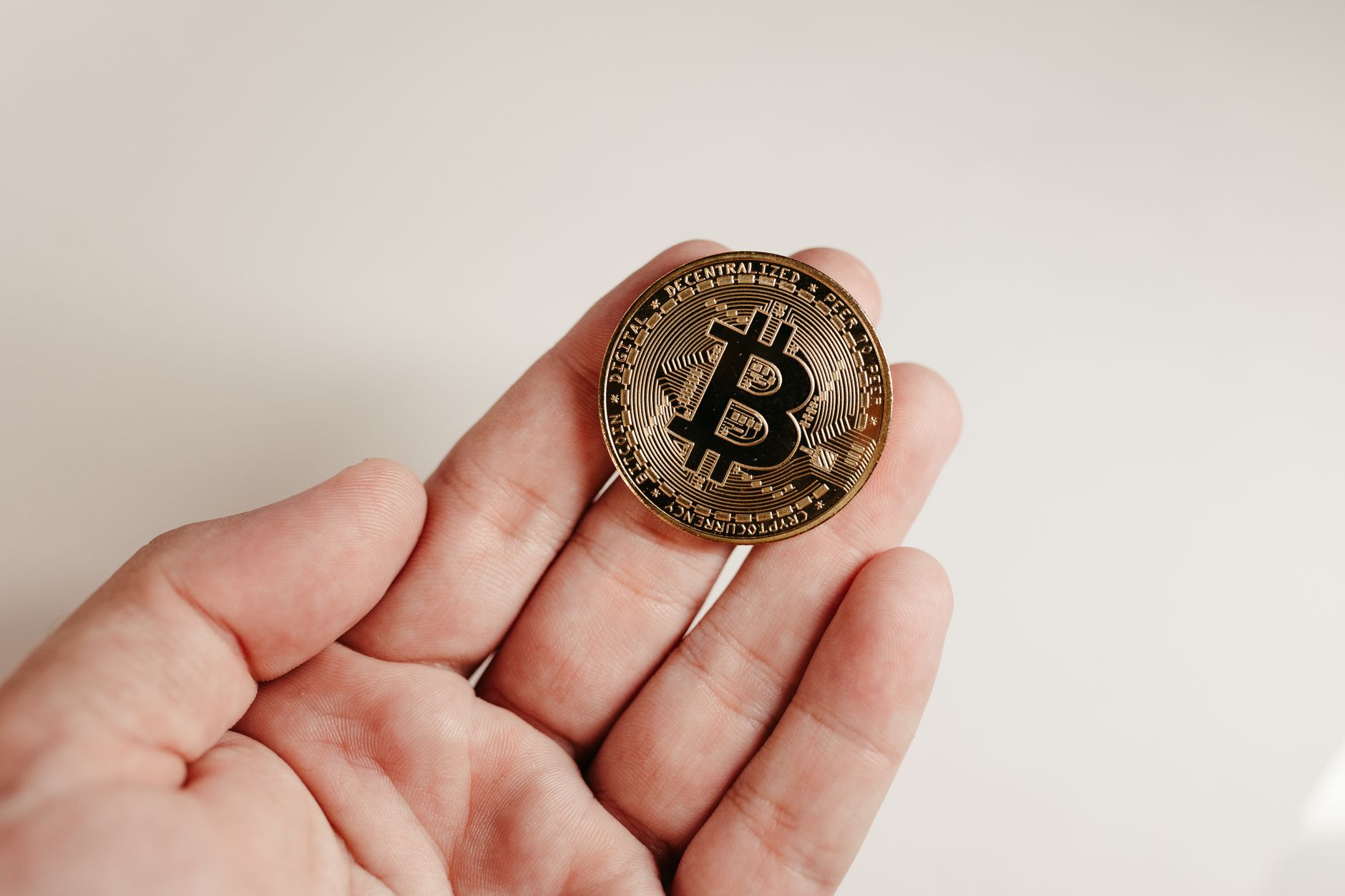
Understanding the Digital Lockbox: How Crypto Wallets Keep Your Funds Safe (and Answering Your "Where's My Money?" Questions)
At its core, a crypto wallet isn't a physical container holding your digital assets. Instead, think of it as a sophisticated digital lockbox that manages the private keys essential for accessing and controlling your cryptocurrency on the blockchain. These private keys are incredibly long, complex strings of characters, and their security is paramount. When you 'send' cryptocurrency, you're not actually transmitting coins; you're using your private key to authorize a transaction on the public blockchain, essentially telling the network to update ownership. Conversely, to 'receive' crypto, you provide your public key (often represented as a wallet address), which acts like a bank account number, allowing others to send funds to your specific digital location. This fundamental distinction is crucial for understanding how your funds are always on the blockchain, secured by the keys held within your wallet.
The common question,
"Where's my money?"when dealing with crypto, often stems from a misunderstanding of this key-based system. Your 'money' isn't stored *inside* the wallet application or hardware device itself. Instead, the wallet provides the interface and cryptographic tools to interact with your funds, which permanently reside on the decentralized blockchain. Different types of wallets offer varying levels of security and convenience:
- Hot Wallets: Connected to the internet (e.g., mobile apps, web wallets), offering ease of access but a higher risk of online threats.
- Cold Wallets: Offline storage (e.g., hardware wallets, paper wallets), providing superior security against hacks but less convenience for frequent transactions.
Understanding these nuances empowers you to choose the right wallet for your needs and ensures you grasp that your crypto is always on the blockchain, accessible only through the secure management of your private keys.
CryptoCasino.com offers an exciting and secure platform for online gambling enthusiasts looking to use cryptocurrencies. Players can enjoy a wide variety of casino games, from slots to live dealer experiences, all while benefiting from the transparency and speed of blockchain technology. Visit CryptoCasino.com today and discover the future of online casino gaming with fast deposits, withdrawals, and a commitment to fair play.
Beyond the Password: Practical Steps to Bulletproof Your Crypto Casino Experience (and Debunking Common Security Myths)
While strong passwords are a foundational layer of security, they are merely the first brick in a much larger wall. To truly bulletproof your crypto casino experience, you need to look beyond simple alphanumeric combinations. This involves a multi-pronged approach that extends to your digital environment and understanding of potential threats. Consider implementing
- Two-Factor Authentication (2FA): This adds a crucial second verification step, often via an authenticator app or hardware key, making unauthorized access significantly harder even if your password is compromised.
- Dedicated Devices/Browsers: Using a separate device or a hardened browser profile solely for your crypto activities minimizes exposure to malware or phishing attempts from other online activities.
- Regular Software Updates: Keeping your operating system, browser, and antivirus software up-to-date patches vulnerabilities that attackers often exploit.
A common security myth is that using a VPN alone guarantees anonymity and invulnerability. While VPNs offer valuable privacy by masking your IP address, they are not a magic bullet against all threats. They don't protect you from phishing scams, malware downloaded from untrustworthy sources, or weak passwords. Another misconception is that blockchain's inherent security makes crypto casinos impervious to attack. While the blockchain itself is incredibly secure, the exchanges, wallets, and platforms built on top of it are not.
"The greatest security isn't about being unhackable, but about making yourself a less attractive target,"a cybersecurity expert once said. This means understanding that your personal responsibility extends to recognizing phishing attempts, verifying URLs, and maintaining good digital hygiene. Relying solely on one security measure or a blanket assumption of safety is a dangerous gamble in the high-stakes world of crypto.